How I Tamed My Lipids Without Drugs — A Real Health Journey
High lipids used to be my silent enemy — no symptoms, just a ticking clock in my bloodwork. After years of confusion and false starts, I cracked a system that actually works. It wasn’t magic, just consistent, science-backed changes. This is how I took control of my lipid health naturally, one smart choice at a time. Always consult your doctor, but know this: real progress starts with daily habits.
The Wake-Up Call: When My Lipid Panel Changed Everything
For years, I considered myself relatively healthy. I maintained a stable weight, walked regularly, and avoided junk food. I didn’t smoke, and I rarely drank alcohol. So when my routine annual blood test revealed elevated LDL cholesterol and triglycerides, I was stunned. There had been no warning signs — no chest pain, no fatigue, no family history that screamed danger. Yet there it was: numbers that placed me in a higher risk category for cardiovascular concerns. The doctor mentioned statins as a likely next step, but I wasn’t ready to accept medication as the only answer.
The emotional impact was more profound than I expected. I felt a quiet fear, not of immediate illness, but of a future I couldn’t see coming. It was unsettling to realize that something inside me could be quietly progressing without any outward signal. I began to understand that high lipids are often called a “silent condition” for a reason — they don’t announce themselves with pain or visible symptoms. Many people, like me, live unaware until a routine test or a serious event forces a reckoning.
At first, I tried to follow the generic advice I’d heard for years: “Eat less fat.” I cut out butter, avoided red meat, and switched to low-fat dairy products. But my numbers didn’t improve — in fact, triglycerides rose further. That’s when I realized the advice I had trusted was outdated and oversimplified. The belief that all fats are harmful has been largely debunked by modern science, yet it persists in popular health messaging. I was making changes based on myths, not evidence, and my body was responding poorly. This moment of frustration became a turning point — I decided to dig deeper, not just follow the crowd.
What I discovered was both empowering and humbling: lipid health is not about avoiding a single nutrient, but about understanding a complex system. My journey from confusion to clarity began not with a diet plan, but with a shift in mindset — from fear to curiosity, from quick fixes to sustainable understanding.
Understanding Lipids Beyond the Hype: What Your Numbers Really Mean
To make informed choices, I first needed to understand what lipids actually are and why they matter. Cholesterol and triglycerides are often portrayed as villains in heart health, but in reality, they are essential components of life. Cholesterol helps build cell membranes, produce hormones, and support brain function. Triglycerides store energy and fuel bodily processes. The problem isn’t their presence — it’s imbalance and mismanagement.
Let’s break down the key players. LDL, or low-density lipoprotein, is often labeled “bad cholesterol.” This isn’t because LDL itself is harmful, but because excess LDL particles can penetrate artery walls and contribute to plaque buildup when oxidized or present in high numbers. HDL, or high-density lipoprotein, is known as “good cholesterol” because it helps transport cholesterol away from arteries and back to the liver for processing. Triglycerides, another type of fat in the blood, rise when we consume more calories than we burn, especially from refined carbohydrates and sugars.
One of the biggest misconceptions I had to unlearn was the idea that eating cholesterol directly raises blood cholesterol. For most people, dietary cholesterol — found in foods like eggs and shellfish — has a minimal impact on blood levels. The liver produces most of the cholesterol in our bodies, and it adjusts production based on intake. Similarly, the debate around saturated fat is more nuanced than often presented. While excessive intake can raise LDL in some individuals, the quality of the diet overall — including fiber, sugar intake, and food processing — plays a far greater role.
Think of lipids like delivery trucks on a highway system. The number of trucks isn’t the only concern; it’s what they’re carrying, how they’re driven, and whether traffic flows smoothly. Small, dense LDL particles are like overloaded trucks prone to breakdowns, while large, buoyant ones are more stable. Inflammation in the arteries is like road damage — it makes it more likely for trucks to get stuck and cause blockages. This analogy helped me see that managing lipids isn’t about banning trucks, but about improving the entire transportation network through better fuel, safer roads, and smarter routing.
Why a Systematic Approach Beats Quick Fixes Every Time
In the months following my diagnosis, I experimented with various diets and trends. I tried a 10-day cleanse, cut out all carbohydrates, and even followed a high-protein, low-fiber plan for a few weeks. Each produced short-term changes, but none led to lasting improvement in my lipid panel. More importantly, I felt worse — fatigued, irritable, and disconnected from normal eating patterns. I realized I was chasing quick fixes instead of building a foundation.
Fad diets often promise dramatic results, but they fail because they’re not designed for long-term adherence. Eliminating entire food groups, severely restricting calories, or relying on specialty products may shift numbers temporarily, but they don’t address the root causes of lipid imbalance. Research consistently shows that sustainable lifestyle changes outperform isolated interventions when it comes to managing chronic conditions like dyslipidemia. The key isn’t perfection — it’s consistency.
This led me to adopt the concept of “metabolic hygiene” — a term I borrowed from preventive medicine. Just as we brush our teeth daily to prevent cavities, we can practice daily habits that support healthy metabolism. These aren’t extreme measures, but small, repeatable actions that collectively influence how the body processes fats and sugars. Metabolic hygiene includes eating balanced meals, moving regularly, sleeping well, and managing stress — all of which affect lipid production, clearance, and inflammation.
What sets a systematic approach apart is its resilience. When one habit slips — say, a missed workout or a late-night snack — the rest of the system holds steady. There’s no need for guilt or restarts, just a return to the routine. Over time, these habits become automatic, reducing the burden of constant decision-making. This shift from willpower to structure is what made the difference in my journey. It wasn’t about being perfect; it was about being persistent.
My Four-Pillar System: The Core Habits That Made the Difference
After months of research and experimentation, I built a four-pillar framework that became the foundation of my lipid management. Each pillar targets a different aspect of metabolic health, and together, they create a synergistic effect. No single habit worked in isolation — it was the combination that produced real change.
The first pillar is nutrition. This doesn’t mean following a rigid diet, but making intentional food choices every day. I focused on whole, minimally processed foods — vegetables, legumes, whole grains, nuts, seeds, and quality protein sources like fish and poultry. I increased my intake of soluble fiber, which binds to cholesterol in the digestive tract and helps remove it from the body. Foods like oats, beans, apples, and Brussels sprouts became staples. I also prioritized healthy fats, especially omega-3 fatty acids from fatty fish like salmon and sardines, as well as plant sources like walnuts and flaxseeds.
The second pillar is movement. I didn’t become an athlete, but I committed to daily physical activity. Walking became my anchor — 30 minutes most days, often after meals. Post-meal walks have been shown to help regulate blood sugar and improve fat metabolism, which in turn supports healthier triglyceride levels. I also added light strength training twice a week to build muscle mass, which enhances insulin sensitivity and metabolic rate.
The third pillar is sleep. I used to underestimate its importance, but research clearly links poor sleep to increased triglycerides and lowered HDL. When we’re sleep-deprived, the body produces more cortisol and insulin, which can lead to fat storage and inflammation. I established a consistent bedtime routine — no screens an hour before bed, a warm cup of herbal tea, and ten minutes of deep breathing. Over time, my sleep quality improved, and I noticed a positive shift in my energy and lab results.
The fourth pillar is stress control. Chronic stress elevates cortisol, which influences fat distribution and promotes abdominal fat storage — a known risk factor for lipid abnormalities. I incorporated simple mindfulness practices into my day: five minutes of breathwork during lunch, short walks in nature, and setting boundaries around work hours. These weren’t grand gestures, but small acts of self-care that reduced my overall stress load.
What made this system work was integration. Eating well gave me energy for movement. Movement improved my sleep. Better sleep helped me manage stress. And lower stress made it easier to stick to healthy eating. It was a positive feedback loop — each habit reinforced the others, creating a resilient foundation for long-term health.
Food That Works: What I Actually Eat (No Gimmicks, Just Real Meals)
People often ask, “What exactly do you eat?” The truth is, my meals are simple, familiar, and designed for real life. I don’t use specialty products or follow complicated recipes. My goal is nourishment, not performance. Here’s a snapshot of a typical day.
Breakfast is usually a bowl of steel-cut oats cooked with water or unsweetened almond milk, topped with sliced banana, chia seeds, and a sprinkle of cinnamon. Sometimes I add a handful of walnuts or a spoonful of natural almond butter. I’ve learned that full-fat yogurt with live cultures is better than low-fat, sugar-laden versions — the latter can spike insulin and worsen triglycerides. I pair this with a cup of green tea, which contains antioxidants that support vascular health.
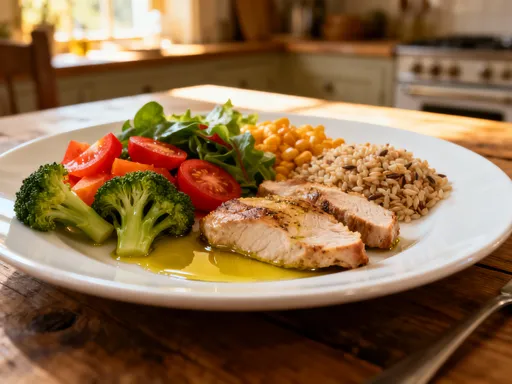
Lunch is often a large salad with mixed greens, chickpeas, cucumber, tomatoes, avocado, and grilled salmon or lentils. I dress it with olive oil and lemon juice — simple, flavorful, and rich in heart-healthy fats. On busy days, I’ll have a whole grain wrap with hummus, spinach, and roasted vegetables. The key is fiber and balance — combining complex carbs, plant-based protein, and healthy fats to keep blood sugar stable and support lipid clearance.
Dinner tends to be warm and comforting. I enjoy dishes like quinoa with black beans and steamed broccoli, or brown rice with sautéed tofu and stir-fried vegetables. I cook with minimal oil, using non-stick pans and steaming or baking whenever possible. I’ve replaced margarine with avocado or olive oil spreads — a small swap that reduces trans fat intake and improves fat quality. I also limit added sugars, avoiding sugary drinks and desserts most days, though I allow myself occasional treats without guilt.
One of the most surprising discoveries was the power of food timing. Eating a fiber-rich meal in the morning helps regulate appetite and metabolism throughout the day. Having a small handful of nuts as an afternoon snack prevents evening hunger binges. And avoiding large, carb-heavy meals late at night supports better overnight fat processing. These aren’t rigid rules, but patterns that emerged from paying attention to how my body responded.
Beyond the Plate: How Movement, Sleep, and Mindset Shape Lipid Health
While diet is important, I’ve come to see that lipid health is influenced by far more than food. Physical activity, sleep quality, and emotional well-being are equally powerful. Each plays a distinct role in how the body produces, transports, and clears lipids.
Moderate aerobic exercise, such as brisk walking, cycling, or swimming, has been shown to increase HDL cholesterol and reduce triglycerides. Even 20 to 30 minutes a day can make a difference. I found that walking after meals — especially dinner — helped me feel lighter and more energized. Over time, I noticed improvements in my lipid panel that coincided with increased daily steps. The effect isn’t immediate, but consistent activity creates cumulative benefits.
Sleep is another critical factor. When I was sleeping poorly — waking up multiple times or getting less than six hours — my next blood test showed a rise in triglycerides. Research explains this: poor sleep disrupts insulin sensitivity, leading to higher blood sugar and increased fat storage. It also elevates stress hormones, which can worsen inflammation and lipid imbalances. By prioritizing sleep hygiene, I not only felt better but also saw measurable improvements in my health markers.
Stress is perhaps the most overlooked piece. Chronic stress doesn’t just affect mood — it alters physiology. Elevated cortisol increases abdominal fat, raises blood pressure, and promotes insulin resistance, all of which contribute to poor lipid profiles. I used to think I was “handling” stress well, but my body was telling a different story. Incorporating small stress-reduction practices — like pausing to breathe deeply during a hectic workday or taking a quiet walk in the evening — made a noticeable difference. These moments of calm didn’t eliminate stress, but they reduced its metabolic toll.
Mindset matters too. Instead of viewing health as a series of restrictions, I began to see it as a form of self-respect. Every healthy choice became an act of care, not punishment. This shift in perspective made the journey more sustainable. I wasn’t depriving myself — I was investing in my future. That mental reframe, subtle as it may seem, was one of the most powerful changes I made.
Tracking Progress and Staying on Course: The Long Game of Health Management
One of the most important lessons I learned was the value of objective feedback. How I felt wasn’t always aligned with what my labs showed. There were times I felt great but my triglycerides were still high, and moments I felt sluggish but my HDL had improved. That’s why regular check-ups — every six months — became non-negotiable. They provided data to guide adjustments, not just motivation.
Progress wasn’t linear. Holidays, travel, and busy work periods led to slip-ups. I didn’t panic when this happened. Instead, I relied on my system to get back on track. Because my habits were built into daily routines, I could return to them quickly without starting from scratch. This resilience was crucial — it prevented minor setbacks from becoming full relapses.
I also learned to celebrate small wins. A five-point drop in LDL. A triglyceride level finally below 150. Better sleep. More energy. These weren’t dramatic breakthroughs, but they were real progress. Over two years, my lipid panel improved significantly: LDL dropped by nearly 30%, triglycerides normalized, and HDL rose. My doctor was impressed — and supportive of continuing the lifestyle approach without medication.
But I never lost sight of the bigger picture. Health isn’t a destination; it’s an ongoing process. There’s no finish line, only continued choices. I don’t view my journey as complete — it’s a lifelong commitment. And while I’m proud of the changes I’ve made, I remain humble. I continue to consult my healthcare provider, stay informed about new research, and adapt as needed.
Managing lipids without drugs was possible for me, but it wasn’t easy. It required patience, education, and daily discipline. More than anything, it taught me that real health comes not from extreme measures, but from consistent, intelligent habits. This journey didn’t just change my lab numbers — it changed how I live.
Managing lipids isn’t about fear or perfection — it’s about showing up consistently with smart choices. My story proves that real change comes from system, not willpower. By understanding the science and building sustainable habits, anyone can improve their lipid profile and overall well-being. Always work with your healthcare provider, but remember: the most powerful tool you have is your daily routine.